


Martial Arts for Children Builds Confidence and Resilience
Many parents worry when their child seems shy, anxious, withdrawn, or lacking in confidence.
Perhaps they struggle to make friends, avoid speaking in groups, lack belief in themselves, or spend too much time on screens instead of interacting socially. Some children become nervous trying new activities, while others quietly fade into the background at school or in social situations.
Across north Manchester, more parents are now exploring martial arts as a positive way to help children grow emotionally as well as physically.
For many families, martial arts becomes far more than just an after-school activity — it becomes a powerful confidence-building journey.
Why Parents Look for Martial Arts for Shy Children
Children experience pressure from many different directions today.
School expectations, social media, online gaming, friendship challenges, and reduced face-to-face interaction can all affect a child’s confidence and emotional wellbeing.
Common concerns parents mention include:
Low self-esteem
Anxiety in social situations
Difficulty making friends
Lack of resilience
Fear of failure
Excessive screen time
Poor focus or concentration
Reluctance to try new things
This is why searches for terms like:
confidence building activities for kids Manchester
activities for anxious children
kids confidence classes Oldham
self esteem activities for teens
have become increasingly common.
Parents are not simply looking for sport. They are looking for activities that genuinely help children develop confidence, communication skills, and emotional resilience.
Structured Progression Helps Children Feel Safe
One reason martial arts works so well for shy or anxious children is the structured environment.
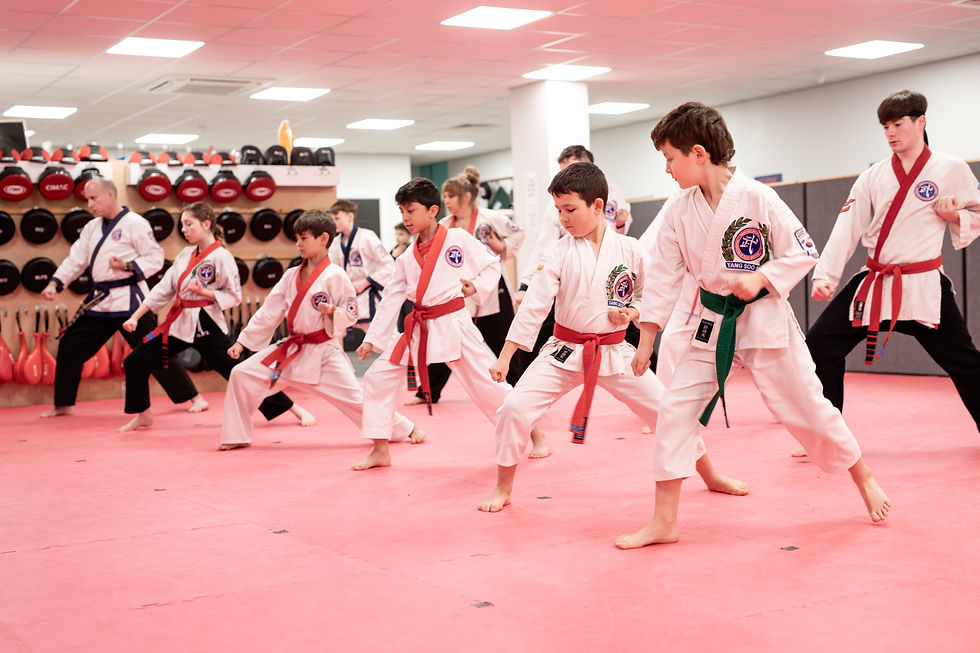
Many children feel overwhelmed in chaotic or highly competitive activities. Martial arts classes are different because they follow predictable routines and clear expectations.
Children know:
Where to stand
What to do
How classes work
What goals they are working toward
How progress is measured
This consistency helps anxious children feel secure.
Instead of being judged against others, children focus on improving themselves step-by-step. That gradual progression creates small wins every week, which slowly builds confidence over time.
The Psychology Behind Belt Progression & Achievement
The martial arts belt system is incredibly powerful for children psychologically.
Every new belt represents:
Effort
Commitment
Improvement
Persistence
Personal growth
For shy children especially, visible achievement matters.
When a child earns a new belt in front of their peers and parents, they begin to realise:
“I can do difficult things”
That mindset often carries into school, friendships, and everyday life.
Children who once avoided challenges may begin volunteering answers in class, joining conversations more confidently, or trying new experiences without fear.

Unlike activities where only the most athletic children receive recognition, martial arts rewards consistency, attitude, focus, and perseverance.
This allows many quieter children to thrive.
Positive Peer Interaction Without Social Pressure
For anxious children, social situations can sometimes feel exhausting or intimidating.
Martial arts creates opportunities for positive interaction in a more natural and structured way.
Children train together through:
Partner drills
Team exercises
Pad work
Group warm-ups
Shared goals and achievements
Because everyone is learning together, friendships often form organically without the pressure children sometimes feel in traditional social settings.
Many shy students gradually become more comfortable speaking, interacting, and participating simply because they feel accepted and included within the class environment.
Over time, martial arts schools often become supportive communities where children feel they belong.
Leadership & Communication Skills Develop Naturally
As children progress through belts and gain experience, they often begin helping newer students.

This is a huge confidence boost.
Simple responsibilities such as:
Leading warm-ups
Demonstrating techniques
Assisting younger students
Speaking in front of groups
can have a massive impact on communication skills and self-esteem.
Parents are often surprised to see children who were once extremely quiet become more confident speakers and leaders both inside and outside the training hall.
These skills can positively influence:
School presentations
Classroom participation
Friendship groups
Teamwork
Problem-solving
Emotional resilience
Why Controlled Contact Training Matters
Some parents worry martial arts may be too aggressive for anxious children.
In reality, quality martial arts schools focus heavily on self-control, safety, and respect.
For younger or nervous beginners, training is usually:
Non-contact
Light-contact
Highly supervised
Structured carefully by age and ability
Children are never simply thrown into intense sparring situations.
Good instructors understand that confidence develops gradually. Controlled-contact training helps children become comfortable with movement, personal space, and physical activity in a safe and supportive way.
For many anxious children, this gradual exposure actually reduces fear and increases confidence over time.
Real-Life Confidence Changes Parents Often Notice
Parents frequently report changes they never expected after several months of martial arts training.
These can include:
Better eye contact
Improved posture
More willingness to socialise
Greater independence
Reduced anxiety in new situations
Increased resilience after setbacks
Better behaviour at home
Improved focus at school
Some children who were once reluctant to leave the house begin looking forward eagerly to classes every week.
Others who struggled to make friends begin building strong social connections through training.
Even small changes — such as answering confidently when spoken to — can feel huge for parents of shy children.
Martial Arts Helps Beyond the Training Hall
The benefits of martial arts do not stop when class ends.
Confidence gained through training often carries into every part of a child’s life.
At School
Children may become:
More focused in lessons
More willing to participate
Better at handling pressure
More resilient during challenges
In Friendships
Children often become:
More socially confident
Better communicators
More comfortable meeting new people
Less likely to withdraw socially
At Home
Parents frequently notice:
Improved listening
Better routines
Greater self-discipline
More emotional control
For teens especially, martial arts can provide positive structure, strong role models, and healthy social circles during important developmental years.
Finding the Right Martial Arts Club
Not every martial arts club offers the same environment.
For shy or anxious children, parents should look for schools that prioritise:
Positive encouragement
Structured teaching
Age-appropriate classes
Patient instructors
Safe training methods
Community atmosphere
Confidence-building rather than intimidation
A good martial arts school should help children feel challenged but supported — never embarrassed or overwhelmed.
The best instructors understand that every child develops differently.
Final Thoughts
If your child struggles with confidence, anxiety, shyness, or social skills, martial arts can be an incredibly positive outlet.
Through structured progression, supportive coaching, achievable goals, and positive peer interaction, children gradually begin believing in themselves in ways that affect every part of life.
For many families across Manchester and Oldham, martial arts becomes one of the most valuable confidence-building activities a child can experience.
Sometimes the biggest transformation is not physical at all.
It is seeing a child walk taller, speak more confidently, smile more often, and begin believing they are capable.
SBN Brett Nelson


Comments