


Why More Families in Manchester Are Training Together in Martial Arts
Finding activities the whole family genuinely enjoys together is becoming harder than ever.

Between busy work schedules, school pressures, screen time, sports clubs, and different age interests, many families struggle to find something that keeps everyone active, engaged, and connected at the same time.
That’s one reason why more families across Middleton, Oldham, Prestwich, Denton and surrounding areas are turning to martial arts.
What was once seen mainly as a children’s activity is now becoming a shared family experience — with parents, children, teenagers, and even grandparents training side by side.
And for many families, it’s becoming much more than just a weekly class.
Family Activities Are Becoming Harder to Find
Modern family life is busy.
Parents are often juggling:
work
school runs
clubs
homework
devices and screen time
separate hobbies for different children
Many traditional activities divide families rather than bringing them together.
One child plays football. Another does gymnastics. Parents sit on the sidelines watching.
Martial arts is different.
Family martial arts classes across Manchester allow families to actively participate together rather than simply spectate.
Everyone shares the same experience:
learning new skills
overcoming challenges
improving fitness
supporting one another
That shared journey creates something many families feel is missing from modern life.
Parents and Children Training Together
One of the biggest reasons martial arts is growing among families is the opportunity for parents and children to train together.
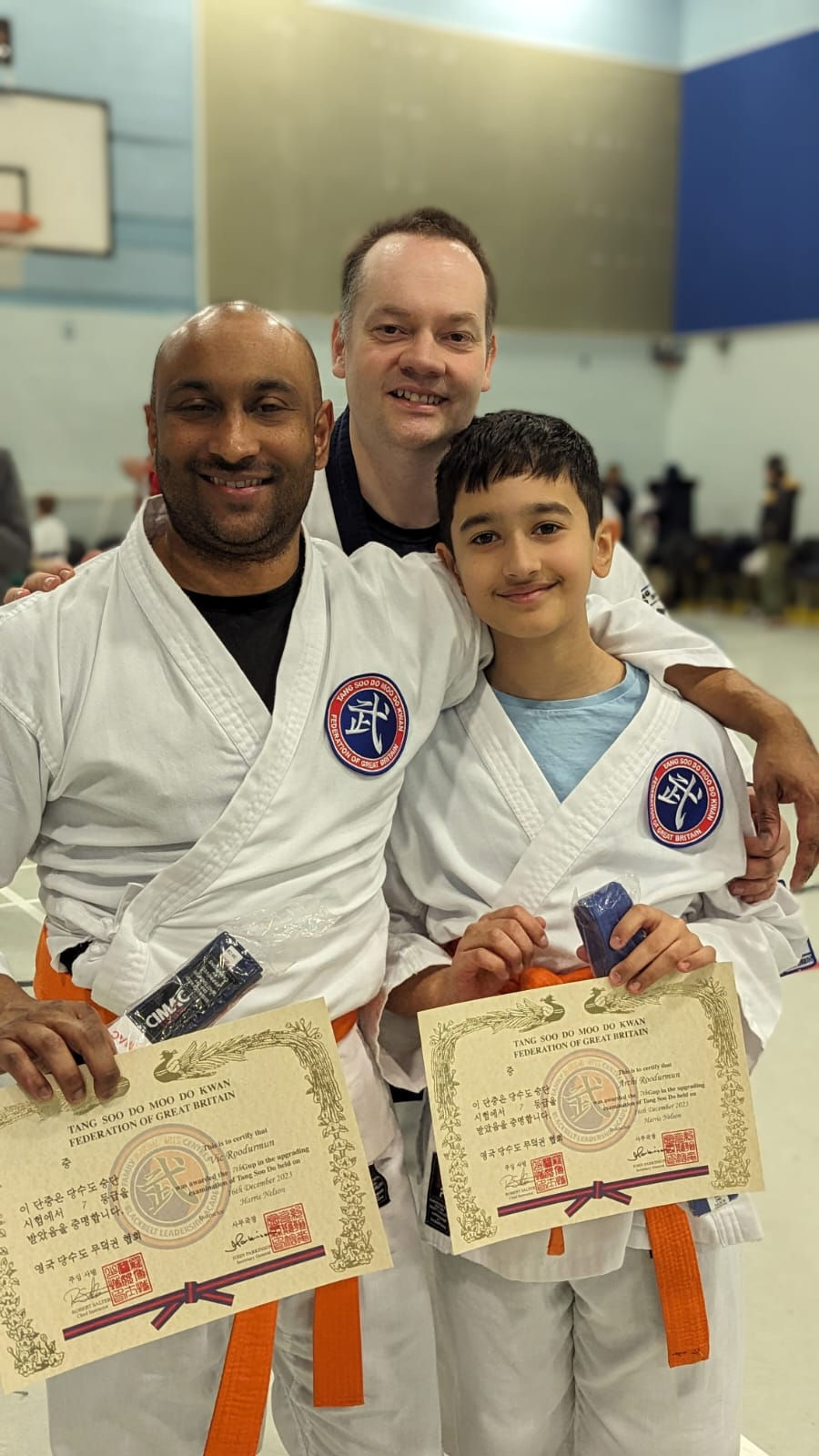
For children, seeing a parent step onto the mats can be hugely motivating.
For parents, it provides:
quality time together
shared goals
healthy routines
opportunities to lead by example
Training together also changes family dynamics in a positive way.
Children often gain confidence seeing their parents try something new, make mistakes, improve gradually, and persevere through challenges.
It teaches an important lesson: Growth applies to everyone — not just children.
Shared Goals Build Stronger Bonds
Martial arts naturally creates goals and milestones.

Families often work together towards:
gradings
fitness goals
learning patterns
improving flexibility
building confidence
attending seminars
earning new belts
That sense of shared progress creates powerful bonding experiences.
Families encourage one another through:
difficult classes
nerves before gradings
fitness challenges
setbacks and achievements
Those moments become lasting memories.
Many martial arts parents say training together gives them conversations and connections they simply didn’t get elsewhere.
Martial Arts Gives Adults a Beginner-Friendly Way to Get Fit
A major reason more adults are starting martial arts is because traditional gyms don’t work for everyone.
Many adults want:
fitness with structure
motivation
stress relief
social interaction
something more engaging than repetitive gym routines
Martial arts for adult beginners offers all of those things.
Unlike many fitness environments, beginner martial arts classes are designed to help people progress gradually regardless of:
age
fitness level
previous experience
Many parents who initially join to support their children end up discovering they enjoy training themselves.
Positive Role Modelling Matters
Children learn far more from what parents do than what they say.
When parents:
attend classes
work hard
show discipline
push through challenges
treat others respectfully
children absorb those behaviours naturally.
Martial arts creates a unique environment where children regularly see adults:
learning
listening
improving
respecting instructors
demonstrating perseverance
That kind of role modelling can have a huge influence on confidence, resilience, and attitude outside the training hall too.
Flexible Entry Points Make Martial Arts Accessible
Many families worry they’ve “missed the right age” to start martial arts.
In reality, family-friendly martial arts clubs are designed for beginners.

Whether someone is:
5 years old
a teenager
a parent returning to fitness
or even a grandparent trying something new
there are usually beginner-friendly entry points available.
Good martial arts schools understand that every student develops at a different pace.
The focus is not on perfection from day one — but gradual improvement over time.
Inclusive Culture Makes Families Feel Welcome
One reason family martial arts clubs continue growing is the atmosphere.
A good club should feel:
welcoming
supportive
encouraging
inclusive
beginner-friendly
Many families are surprised by how quickly martial arts schools begin to feel like communities rather than simply sports classes.
Students often build friendships with:
training partners
instructors
parents
siblings
families from different backgrounds and age groups
For some families, martial arts becomes one of the few places where different generations interact positively together every week.
Martial Arts Isn’t Just for Dads
While martial arts used to be stereotyped as male-dominated, modern clubs are becoming far more inclusive.
Mums increasingly train alongside:
sons
daughters
partners
entire families
Many discover benefits including:
improved confidence
fitness
stress relief
self-defence skills
social connection
Grandparents are also becoming more involved — whether participating directly or supporting younger family members through the martial arts journey.
The Community Side Matters More Than People Expect
For many students, the social side of martial arts becomes just as important as the physical training.
Clubs often create opportunities through:
seminars
gradings
family events
social gatherings
demonstrations
competitions
charity activities
That sense of belonging keeps many families involved for years.
Children especially benefit from growing up surrounded by:
positive role models
supportive friendships
encouraging instructors
strong community values
Final Thoughts
More families in Manchester are choosing martial arts because it offers something increasingly rare:
A healthy activity the whole family can genuinely share together.
It combines:
fitness
confidence
discipline
social connection
personal growth
family bonding
all within a welcoming and supportive environment.
For many families, martial arts becomes far more than just an after-school activity.
It becomes part of family life itself.
SBN Brett Nelson


Comments