


Is Martial Arts Safe for Children? What Parents Need to Know
- Master Brett Nelson
- Jun 30
- 4 min read
For many parents, the idea of their child learning martial arts can bring mixed feelings. While some see confidence, discipline, and fitness, others immediately wonder:
“Is martial arts dangerous for children?”
It’s a fair question — and one we hear regularly from parents looking for safe martial arts classes for kids.

The reality is that modern martial arts training, especially in family-focused clubs, is designed with child safety as the top priority. In fact, many parents are surprised to discover that martial arts often improves behaviour, confidence, focus, and emotional control far more than they expected.
If you’re considering beginner martial arts classes in Manchester for your child, here’s what you need to know.
Understanding the Biggest Safety Misconception
One of the biggest myths about martial arts is that classes encourage fighting or aggression.
In reality, quality martial arts schools teach the exact opposite.
Children are taught:
self-control
discipline
respect
listening skills
conflict avoidance
controlled movement
Good martial arts instruction is not about encouraging children to fight — it’s about teaching them confidence and responsibility in a structured environment.
Many parents actually notice improvements in behaviour at home and school after their child begins training.
Martial Arts Classes Are Highly Controlled Environments
A professional martial arts class is carefully supervised from start to finish.
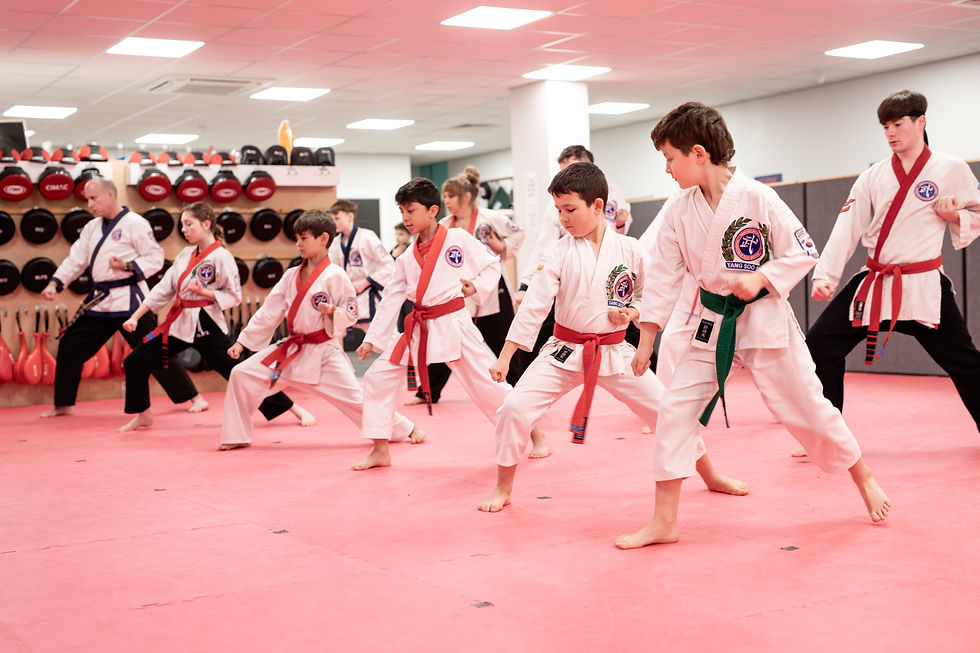
Unlike rough play in a playground or unstructured contact sports, children train in a controlled setting where:
exercises are age-appropriate
instructors manage all activities
children are grouped by ability and experience
safety rules are constantly reinforced
contact is limited and supervised
Beginner-friendly martial arts classes focus heavily on technique, balance, movement, coordination, and confidence-building before any controlled partner work is introduced.
For younger children especially, many classes involve little to no contact at all.
Instructor Qualifications & Safeguarding Matter

When looking for a family friendly martial arts club, parents should always check the quality and professionalism of the instructors.
A reputable club should have:
DBS-checked instructors
safeguarding policies
first aid training
child-friendly teaching methods
structured beginner programmes
clear behaviour expectations
Experienced instructors understand how children learn, develop confidence, and stay safe while enjoying classes.
The atmosphere should feel welcoming, encouraging, and positive — not intimidating.
How Martial Arts Classes Are Structured Safely
Parents are often surprised by how organised martial arts lessons actually are.
Most beginner classes follow a structured format such as:
Warm-Up and Mobility
Children begin with stretches, movement drills, and exercises designed to prepare muscles and joints safely.
Skill Development
Students practise techniques slowly and carefully before increasing speed or complexity.
Pad Work and Drills
Children often use kick shields or focus pads rather than practising techniques on each other.
Controlled Partner Exercises
When partner work is introduced, it is supervised closely and adjusted to each child’s age and ability.
Cool Down and Discipline
Classes usually finish with stretching, breathing exercises, and reminders about respect and self-control.
This structure helps minimise injury risk while creating a calm and focused learning environment.
Beginner Martial Arts Classes Are Designed for Complete Beginners
Many parents worry their child will be thrown into advanced training immediately.
That simply isn’t how good clubs operate.
Beginner martial arts classes at North Manchester Family Martial Arts Centres are designed specifically for children with no previous experience.
Children are introduced gradually to:
basic stances
simple kicks and punches
balance and coordination
confidence-building drills
classroom discipline
teamwork
Instructors understand that every child develops at a different pace.
The goal is progression, not pressure.
Injury Prevention Is Taken Seriously
Like any physical activity, martial arts carries some level of risk — just like football, gymnastics, rugby, or even playground games.
However, injuries in children’s martial arts classes are relatively uncommon when classes are properly supervised.
Professional clubs reduce risk through:
padded equipment
controlled training
age-specific classes
proper warm-ups
technique-focused teaching
strict class discipline
close instructor supervision
Children are constantly reminded about control, awareness, and respecting training partners.
Martial Arts Often Improves Behaviour and Confidence
One of the biggest surprises for many families is how martial arts positively affects behaviour outside the classroom.
Parents frequently report improvements in:
confidence
focus
listening skills
resilience
emotional control
respect for others
social confidence
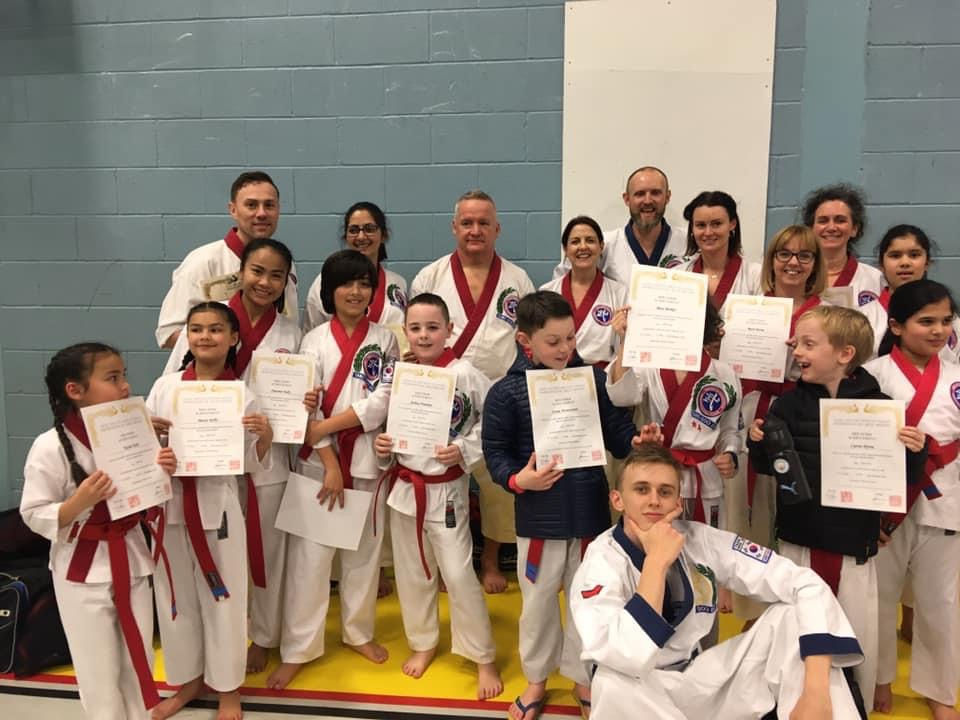
Martial arts gives children achievable goals through belt gradings and structured progression.
For shy or anxious children especially, this can have a huge impact on self-esteem.
The Importance of a Family-Friendly Culture
A good martial arts club should feel like a community — not just a sports class.
Family-friendly martial arts clubs focus on:
encouragement over intimidation
supporting beginners
celebrating progress
positive role models
inclusive teaching
respectful behaviour
Many schools also teach children alongside parents, siblings, or other family members, creating a supportive atmosphere that helps children feel comfortable from day one.
Final Thoughts: Is Martial Arts Safe for Children?
When taught correctly, martial arts is one of the safest and most beneficial activities children can take part in.
The key is choosing a professional, beginner-friendly club that prioritises:
safety
supervision
safeguarding
discipline
positive culture
structured learning
Far from encouraging aggression, martial arts helps children develop confidence, self-control, resilience, and respect — skills that benefit them both inside and outside the classroom.
If you’re searching for safe martial arts classes for kids or beginner martial arts classes in north Manchester, look for a welcoming club with experienced Instructors and a strong family-friendly culture.
The right martial arts school can become one of the most positive influences in a child’s development.
SBN Brett Nelson

Comments